Coldwater Classic
Rumport Chrouk, Cambodia
Rumport Chrouk is a small village in the province Svay Rieng, not far from the Vietnam boarder. In 2006, I visited here and since then I still remain in contact with the people and the land. The pictures in this series were taken during the rice farming season, July and August, and are dedicated to the lovely people of Rumport Chrouk.
Bon Pachay Buon
It was the beginning of February, the rice was cut and threshed, and some of it had already been sold at the market. The farmers were looking forward to some quiet time - a time to for celebrations and weddings. As a guest in Rumport Chrouk, I had the privilege of attending the Bon Pachay Buon ceremony that honors the ancestors and the elderly. The day before, everyone was busy around the host’s house, Mr. Anh. As preparations were underway in the kitchen, one could hear the sound of bowls, cups and pots clanging. The microphone and tape deck were connected to the amplifier and cables were pulled to put the speakers in the trees. Later that night, the men killed a pig. With freshly cooked intestines and a heavy sip of rice wine, everyone caroused late into the night.
The Temples of Angkor
In the first centuries after Christ, an empire developed that reached its peak between the 10th and 14th centuries. At that time, the Khmer controlled what we know of today as Cambodia, south Vietnam, Laos and parts of Thailand as a whole. The Khmer Empire was one of the mightiest nations in Asia. To this day, Angkor Wat is known as the largest sacred building of mankind. In order to grasp the actual size of Angkor, we need to take a look at the latest research. Under the name Greater Angkor Project (GAP), the University of Sydney is working with other countries and research teams on a vast project exploring the greater area of Angkor.The work is still underway, but what we know so far is that Angkor, during its height was the largest develoment that we know of. A masterpiece of city planning was stretching out over an area as expansive as New York City. With an area of more than 1,000 square kilometers, the irrigation systems, fields and city districts were smoothly integrated. Within the last few hundred years, most of the sculptures and artifacts were stolen, but still, Angkor maintains its eminence.
Phnom Penh
If you trust the story, more than 600 years ago, a little village near the Mekong River got its' name. The story says, in the year 1372, a wealthy widow named Daun Chi Penh saw some timber floating down the river. She let them pull out the water and in the timber they found four bronze and one stone buddha statue. To honor these Buddhas, she built an artificial hill and put them in a temple on top, made out of the timbers. She named the temple Wat Phnom and put a part of her own name into it. It became Wat Phnom Daun Penh. Since then, the small village was called: Phnom Penh. In the Sixties, Phnom Penh was known as the Pearl of Southeast Asia. The hundreds of markets around the city sold fish, meat, fruits and vegetables in abundance and even the smiles of the people entered the history books as Sourire Khmer (french: the smile of the Khmer). Today, 30 years after the reign of terror of the Khmer Rouge, Phnom Penh and his people slowly get back their smile. This photo gallery takes you on a sightseeing tour across the city.
Year 0
On April 17, 1975, the Khmer Rouge assumed power over Cambodia. Their leader, Pol Pot, saw a corrupt system in the hegemonic elite and attempted to establish a so called agrarian communism. Within a few days, Phnom Penh became a ghost town; its citizens were dislocated to the countryside to work in forced labor projects. Pol Pot's idea of an equitable society did not happen as planned. The expected increase in crops was not fulfilled, people starved and many died from malnutrition and diseases. As the West and surrounding Asian countries closed their eyes to the tragedy in Cambodia, the Khmer Rouged tortured at random. The result of this unprecedented three year, eight month and twenty day long attempt at re-education was more than two million dead Cambodians. That was one quarter of the total population.
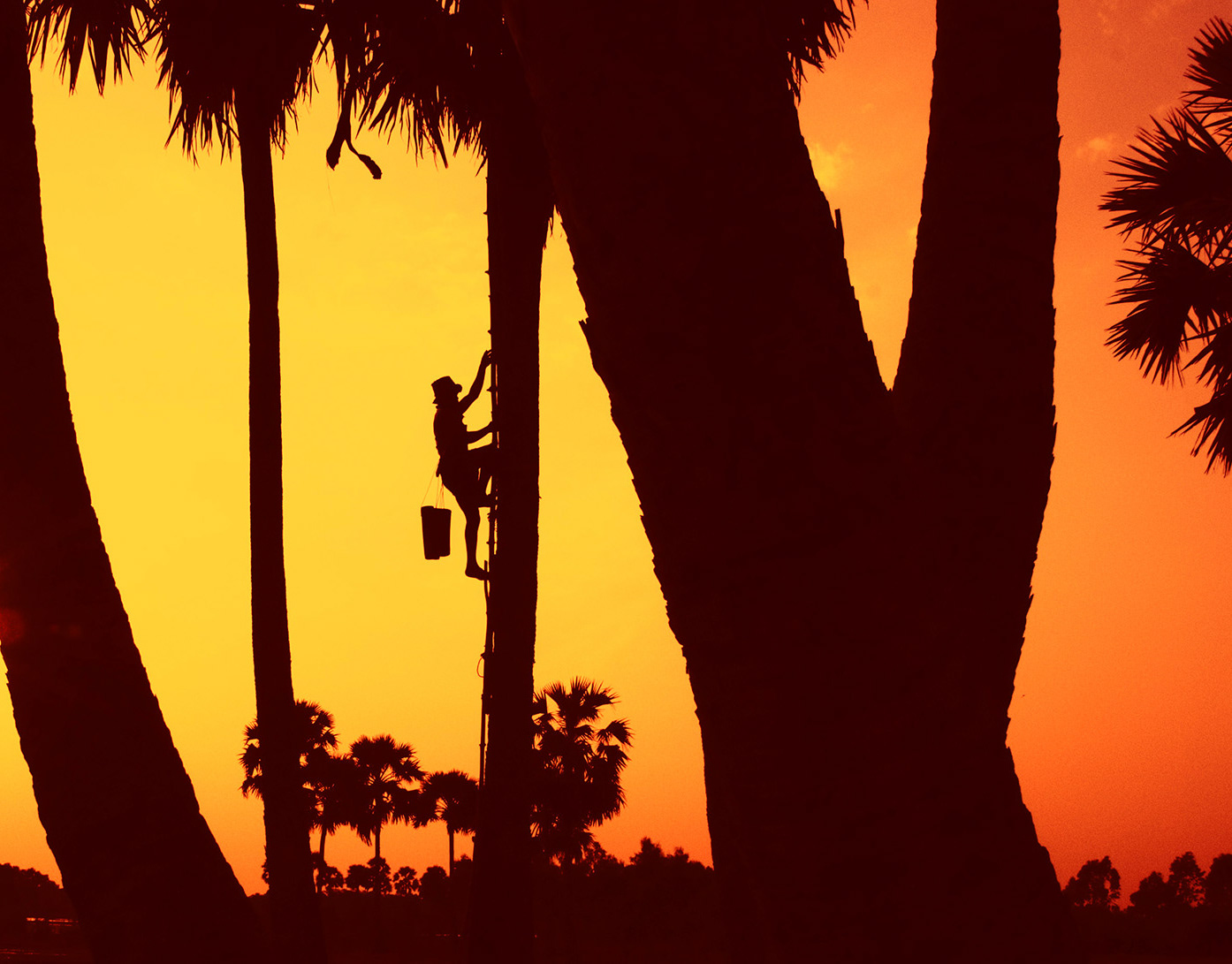
Palmsugar, Pigs and Rice Wine
Cuba
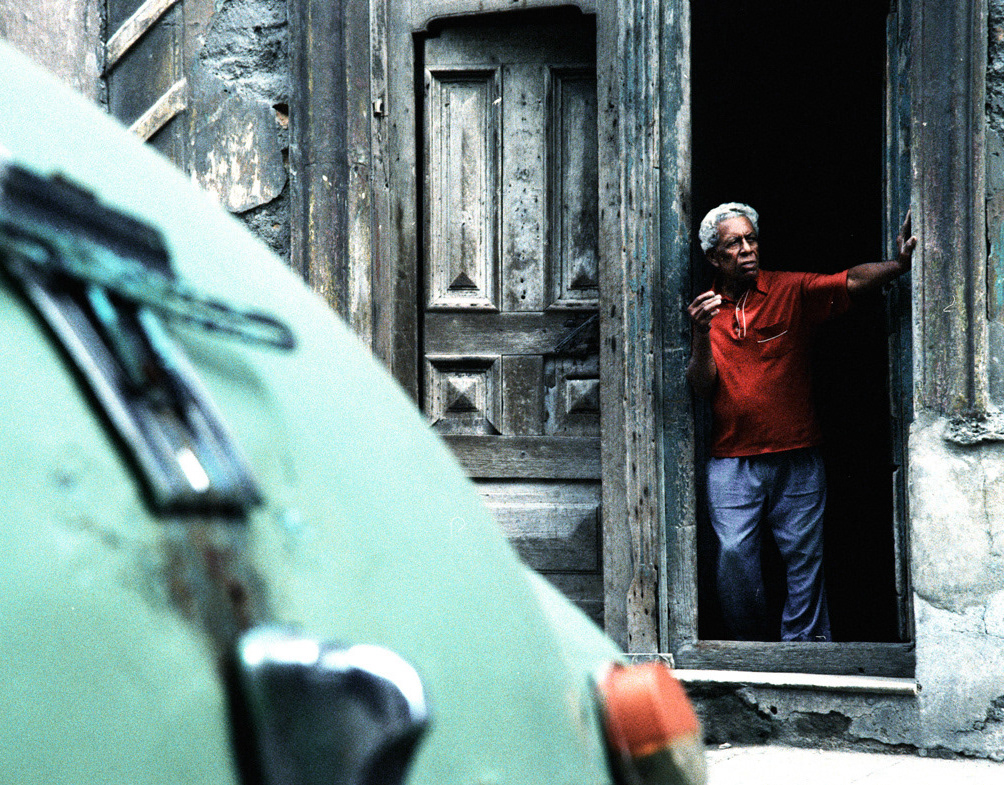
On my very first trip to Cuba, I checked into the Ambos Mundos Hotel on Calle Obispo in Havana. Photography by Alberto Korda graced the walls of the lobby in crookedly hung frames. There was a photo of Ernest Hemingway shaking hands with Fidel Castro and another of Commandante Che Guevara as well as other classic photos from the past. In the hallways of the fourth floor were photos of American Mafia lords who abused Cuba for decades as a brothel and gambling island. The black and white photos blended with the moldy odor of the masonry and created a strong sense of melancholy. It seemed that the photos exclaimed, “Look, this is how it once was, but will never be again.” These photos are silent yet living witnesses of history. The ground floor bar was a spontaneous meeting point for evening gallivanters. People came and went, but most barely stayed for more than a drink, a cigar or a dance to the somber music of the pianist. Motivated by the photography by Korda and the morbid beauty of the city, all my photos were taken on analog film.